How to read one line of a budget
A single line, such as “Roads and drains”, taken apart: the name, the number, the year and what is hidden inside. Builds on “Budget, plan and actual: three different numbers”.
Archive
A single line, such as “Roads and drains”, taken apart: the name, the number, the year and what is hidden inside. Builds on “Budget, plan and actual: three different numbers”.
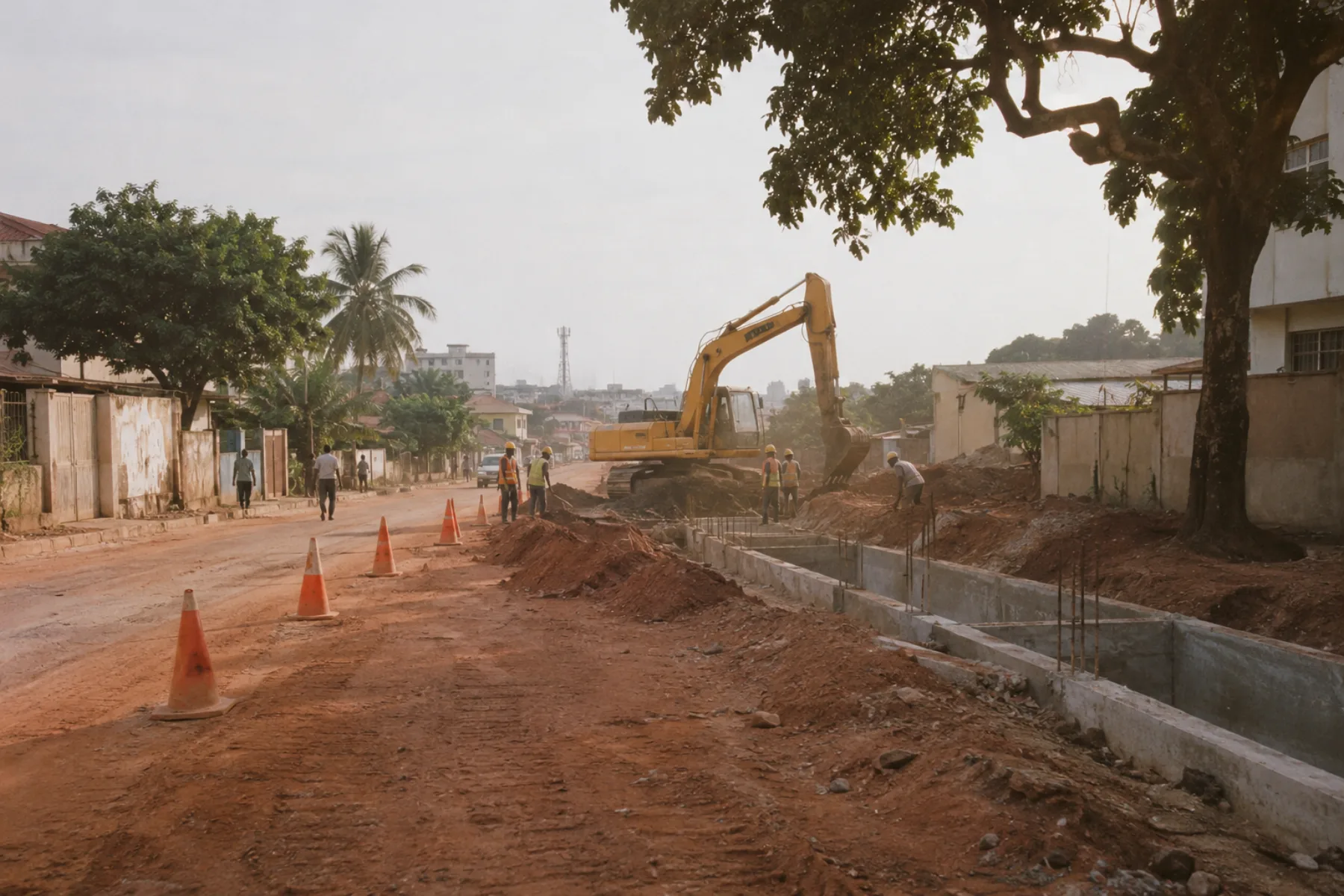
Land, drains, tar, lights and the time it takes: what is inside the price of one kilometre of road.
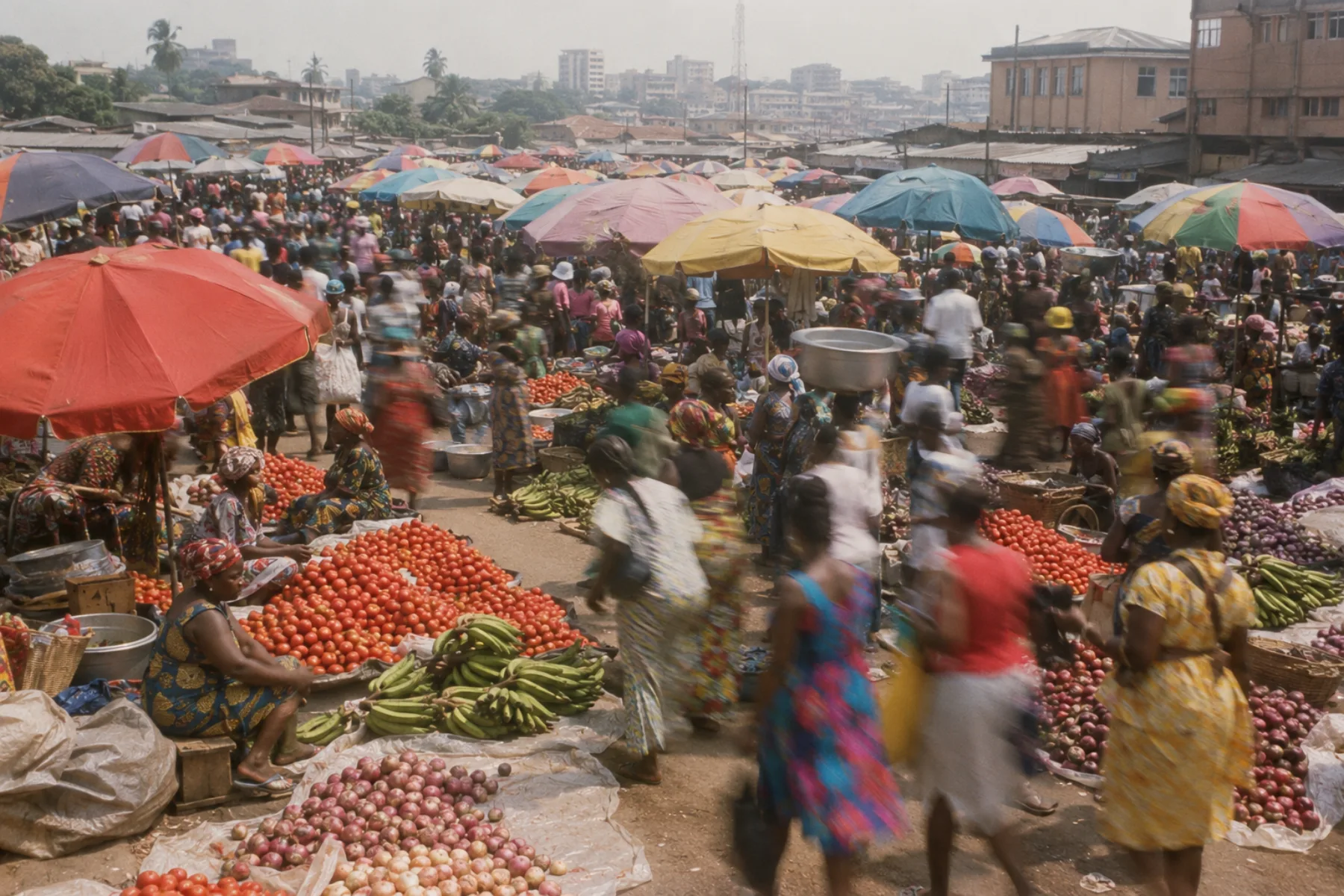
A trader’s daily fee, followed through the city’s books to the stalls, the toilets and the lorry park.
How a rate is worked out, what the bill is for and where the money turns up again as a service.
Desks, repairs, books and meals: which are in the city’s budget and which come from somewhere else.
What the roads line holds besides tar, and why a drain can be paid for and still be blocked.
Income first, then spending, then the small print. A plain order for reading any budget without getting lost.
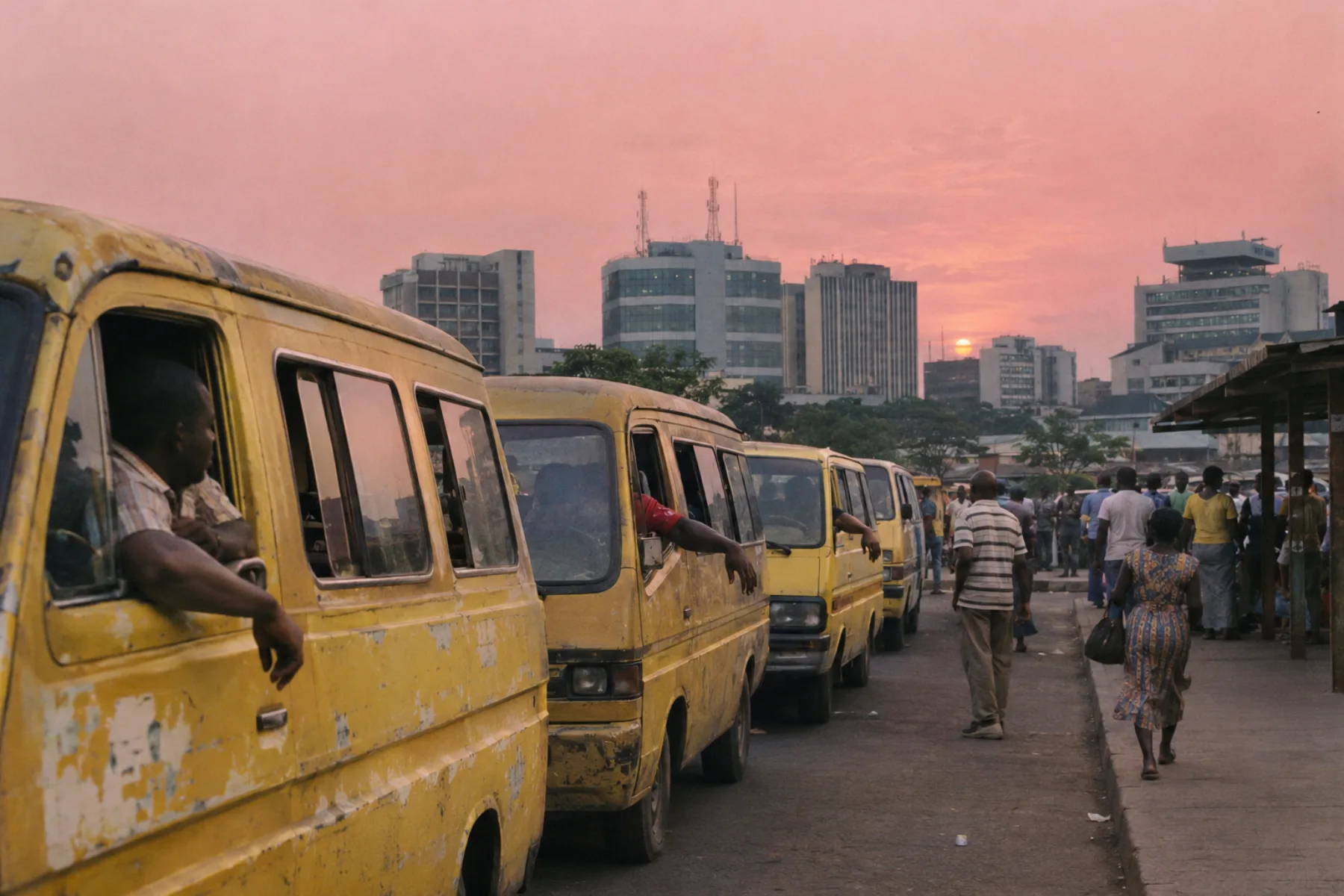
The two big streams of money into a city: a share sent from the national government and what the city collects itself.
The fee a trader pays, the bin lorry that comes and the line in between. Builds on “Where market fees go once you have paid them”.
A new classroom is not one line but three. A short walk through the lines and what each pays for.
The three numbers that sit beside every line, what each one means and why they are rarely the same.
Where a shelter, a sign and a painted line come from in the city’s money, and who decides which stop gets one. Read it after “Why a road costs what it costs”.
A short letter every Sunday: one part of the budget explained, with real-looking numbers and no side taken.